
NeuroMap: ADHD and Learning Differences Screening
NeuroMap helps you better understand certain tell-tale signs and establish an initial assessment with a structured questionnaire, in a clear and reassuring environment.
What NeuroMap makes available to you
Clear content to help you identify certain tell-tale signs, better understand the situation and know what to do next.
Structured questionnaire
A first benchmark from guided questions.

Educational resources
Content to help you better understand DYS and TND disorders.

Useful landmarks
Points to watch out for to better observe the difficulties encountered.

Clear orientation
Tips on when to go deeper and where to turn.
Frequently asked questions
Clear answers to better understand how NeuroMap works and how to use the questionnaires.
What is NeuroMap and how does it work?
NeuroMap offers structured questionnaires to identify potential indicators and guide you towards professional support.
How can I use the available questionnaires?
Answer the questions based on your experience to get an initial personalised assessment.
Are the survey results reliable?
They provide an initial indication, but do not replace a specialist medical diagnosis.
Who can benefit from NeuroMap?
Anyone wishing to better understand signs related to DYS and TND disorders can use these tools.
What should you do if the results suggest a risk?
It is advisable to consult a healthcare professional for a diagnosis and appropriate support.
What types of disorders are covered by NeuroMap?
The questionnaires cover various common DYS disorders and neurodevelopmental disorders (NDDs).
Blog NeuroMap
Explore our blog to discover detailed articles, in-depth analysis, and practical resources on DYS and NDD disorders.
-

When to consult a speech therapist, neuropsychologist, or other professional?
When difficulties with language, reading, writing, attention, organisation or coordination set in...
-
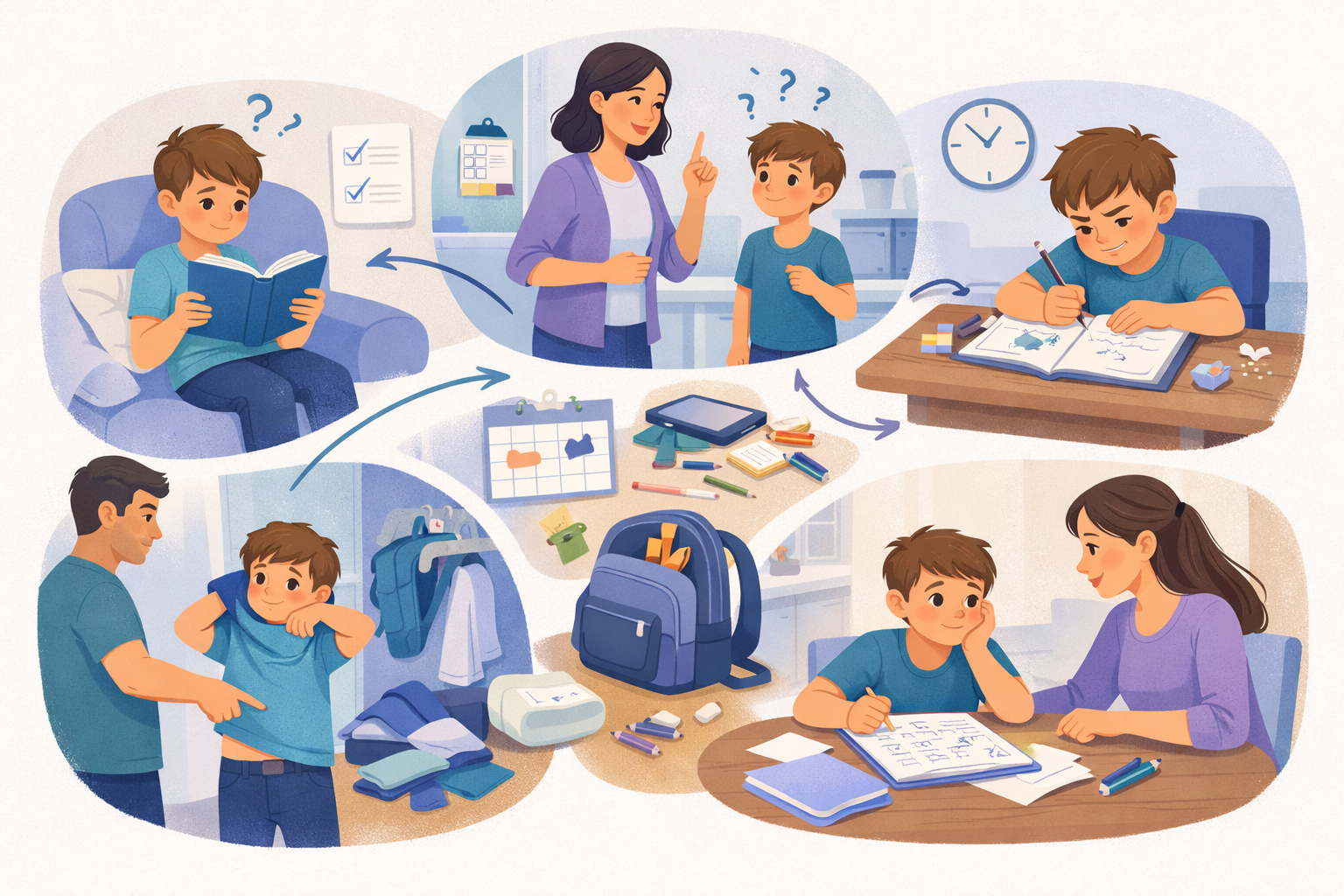
Are DYS disorders also visible at home?
When a child seems to exhaust themselves with homework, avoids reading, confuses sounds, writes…
-
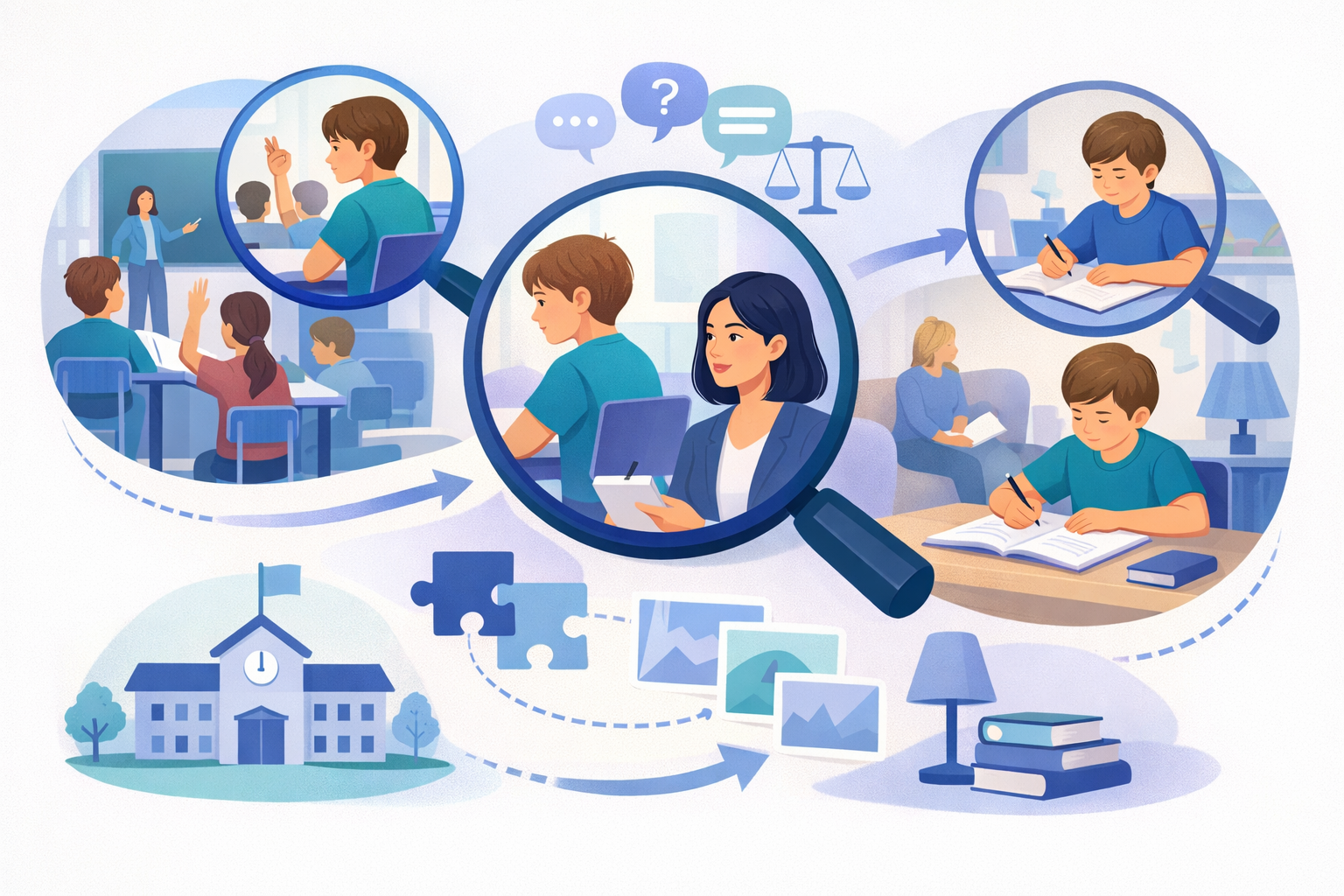
School, home, homework: how to observe difficulties without overinterpreting?
When a child seems to be struggling at school, at home or during homework,…

